Cities & Regions
Choosing Where to Live in Spain
2 October 2026 · 10 min read
A decision guide to location in Spain: city size, work, family, climate, coast vs inland, transport, housing and pace — without ranking cities.
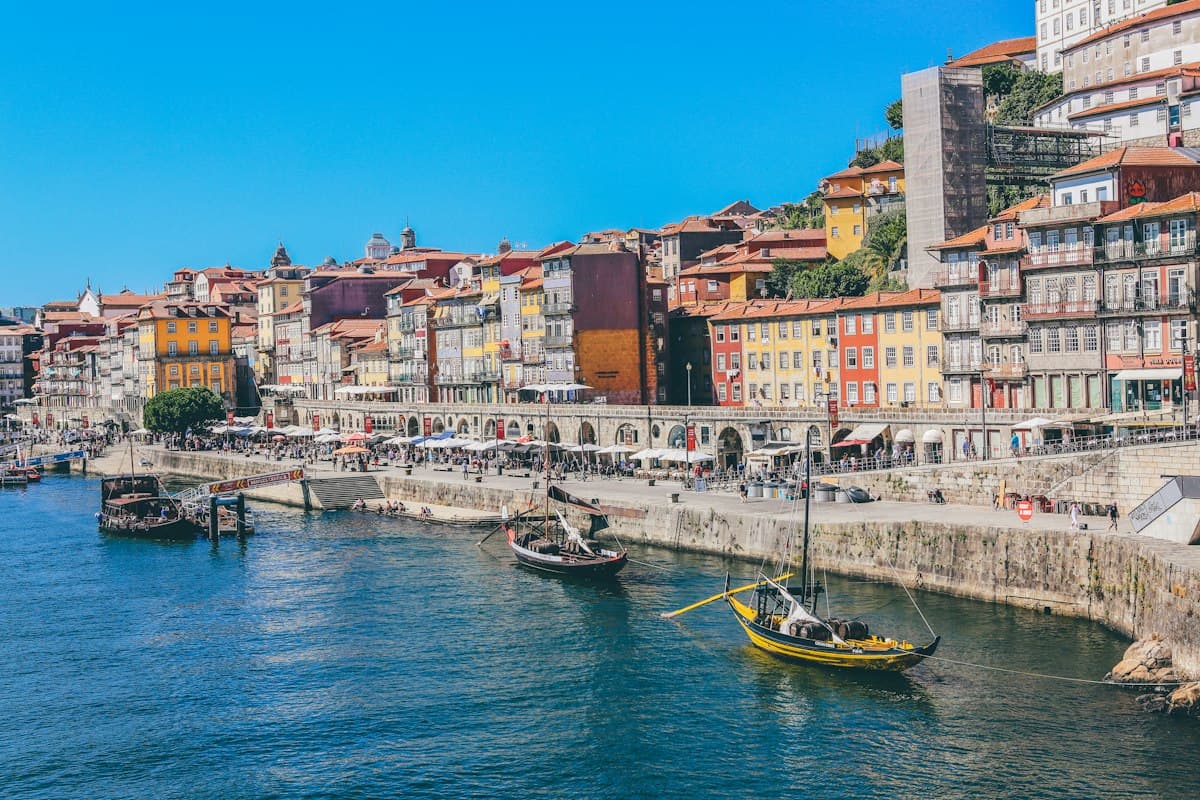
Choosing where to live in Spain is a different question from deciding whether Spain interests you at all.
Earlier articles in this series cover why people consider Spain and what often appeals to international residents. This guide helps you think through location — the practical dimensions that shape daily life — without ranking cities or declaring a winner.
Spain is not one lifestyle. Madrid, Barcelona, Valencia, Málaga and Alicante can each work well for different priorities. The useful task is to match place to the life you want, not to find a universal “best” city.
Start with the life you want week to week
Before maps and property listings, describe an ordinary week.
How many days feel professional versus personal? Do you need quiet evenings, or dense cultural calendars? Will children shape school runs and neighbourhood choice? How often do you expect to travel within Spain or elsewhere in Europe?
Clear answers here make every later comparison more useful. Vague preference for “nice weather” or “a nice city” rarely survives the first longer stay.
City size and density
Large cities typically offer denser services, broader professional networks, more international schooling options and stronger transport hubs. They can also feel busier, louder and more expensive in central neighbourhoods.
Medium-sized cities often balance amenities with a calmer rhythm. Everyday errands may feel simpler; international infrastructure may be thinner than in a capital.
Smaller towns and quieter coastal areas can offer space and pace — with trade-offs in specialised services, flight frequency or language environment.
None of these scales is automatically better. They answer different priorities.
Examples (not recommendations): Madrid and Barcelona operate at large metropolitan scale. Valencia and Málaga combine substantial city services with Mediterranean access. Alicante can feel more coastal and mid-scale, depending on the neighbourhood you choose.

Professional priorities
If work, clients or frequent meetings matter, ask:
- How important is proximity to a major business district or coworking scene?
- Do you need a large international airport with many daily connections?
- Will colleagues or clients expect you in a capital-scale city?
Madrid concentrates national institutions, corporate headquarters and a major air hub. Barcelona combines strong international connectivity with a large metropolitan economy. Other cities support professional life differently — sometimes with easier daily rhythm and different travel patterns.
If your work is largely remote, professional geography may matter less than housing, climate and community — but transport still matters when you need to travel.
Family requirements
Families usually weigh neighbourhood feel, parks, schooling options, healthcare access and weekend routines more heavily than landmark tourism.
Questions worth asking:
- Do you want an urban centre or a residential district with outdoor space?
- What language of instruction matters for your children, and for how long?
- How important are parks, sports clubs and walkable school routes?
Schooling options — local and international — vary by city and district. Availability is not uniform. Healthcare access also varies by area and individual circumstances; it deserves careful personal review rather than assumptions from a lifestyle article.
A later article in this cluster will focus specifically on family life in Spain. For now, treat family needs as a primary filter, not an afterthought.
Climate: coast, inland and regional difference
Spain’s climate is diverse. According to Spain’s State Meteorological Agency (AEMET), the country includes multiple climate types rather than one national weather pattern. Mediterranean coasts, inland plateaus and northern regions can feel markedly different across the year.
As a practical orientation (illustrative, not a ranking):
- Inland capitals such as Madrid often have hotter summers and cooler winters than Mediterranean coastal cities.
- Mediterranean cities such as Barcelona, Valencia, Málaga and Alicante generally offer milder winters and long outdoor seasons — with local variation in humidity, wind and summer heat.
Climate comfort is personal. Visit across seasons if you can, or at least research summer and winter realities for the areas you are considering. AEMET publishes station climate normals that help ground expectations in official data rather than travel brochures.

Coast versus inland
This is one of the most common lifestyle forks.
Inland / large urban centres often prioritise professional density, cultural calendars, transport hubs and year-round city services.
Coastal living often prioritises outdoor living, sea access and a different seasonal rhythm — including tourism seasonality in some districts.
Many people eventually want a blend: a city with sea access, or a capital with easy weekend escapes. Transport quality matters here. Renfe’s high-speed and long-distance network (official AVE / long-distance maps) connects many major Spanish cities, which can make dual-environment living more realistic than it first appears — depending on your base.
A dedicated later article will compare city life and coastal life in more depth. Use this section only to decide which environment belongs in your shortlist.
Transport and international connections
Ask how often you expect to leave your city — for work, family or leisure.
Dimensions include:
- metro, tram and local bus coverage for daily life
- high-speed or long-distance rail for Spain-wide travel
- airport scale and destination range for international trips
- whether you want (or need) a car
Madrid and Barcelona function as major air and rail hubs. Valencia, Málaga and Alicante each offer meaningful connectivity with different trade-offs in flight frequency, rail access and local transit density. Always verify current routes for your own travel pattern rather than assuming all coastal cities feel equally connected.
Housing expectations and neighbourhood scale
Housing costs and housing stock vary considerably by city, district and property type. Central neighbourhoods in large cities often differ sharply from residential outskirts or quieter coastal towns.
Before narrowing location, clarify:
- rent versus eventual purchase (as a lifestyle preference, not a legal strategy)
- furnished versus unfurnished
- apartment versus house with outdoor space
- how much neighbourhood quiet matters versus walkability to cafés and services
Exact figures belong in a cost-of-living article with dated sources. Here, the decision point is simpler: your housing expectations should filter cities, not the other way around.
Pace of life and language environment
Pace is subjective, but it is one of the most common reasons people later wish they had chosen differently.
Some people thrive on capital energy. Others prefer evenings that feel quieter after school or work. International communities are more established in some cities and districts than others — which can ease early months, or feel less immersively local, depending on what you want.
Language environment also varies. In major cities you will often find English in professional and tourist-facing settings, but daily life still rewards Spanish (and, in some regions, co-official languages). Neighbourhood choice can change how much Spanish you need day to day.
Schools and healthcare access — as location filters
Treat schooling and healthcare as filters, not footnotes.
School places, language of instruction and commute times differ by district. Healthcare arrangements in Spain involve public and private systems; access depends on individual circumstances. Do not assume that living in a particular city automatically determines entitlement. Understand the landscape at a high level, then review your situation personally.

If family location is your main constraint, request a free consultation. Every situation is different — we listen before we advise.
How to use cities as examples — without ranking them
Madrid, Barcelona, Valencia, Málaga and Alicante appear in Falcon’s editorial focus because they are common reference points for international residents — and because Falcon has operational presence in Madrid. That does not mean Madrid is the right city for everyone.
Use cities as examples of scale, climate and connectivity — not as a scoreboard. A later article will describe lifestyle differences among Madrid, Barcelona, Valencia and Málaga in more detail, still without declaring a winner.
If another Spanish location fits your priorities better, that is a legitimate outcome. Location choice should follow your life, not a shortlist for its own sake.
A practical shortlist method
- Write down your non-negotiables (family, work, climate, language, budget band).
- Decide coast, inland, or open to both.
- Choose a city-size range that matches your pace and services needs.
- Shortlist two or three areas — not ten.
- Test them with longer stays if possible, across more than one season.
- Only then go deeper on neighbourhoods and housing.
Choosing where to live and determining any administrative path are separate decisions. Confusing them early usually creates noise.
Falcon’s approach
Falcon Residency helps people exploring life in Spain think clearly about lifestyle and location — then discusses appropriate next steps privately after understanding individual circumstances.
We do not publish a one-size location recommendation. We listen before we advise.
Falcon’s Dubai and Madrid teams work together to support clients considering Spain. One team. Two cities. Our Madrid presence strengthens Spain-side coordination; it does not define who our clients are, and it does not mean Madrid is recommended for every household.
Frequently asked questions
How do I choose where to live in Spain?
Start with the life you want week to week — work, family, climate, pace, transport and housing expectations — then shortlist places that match those priorities. Use cities as examples, not rankings.
Is Madrid the best place to live in Spain?
No single city is objectively best. Madrid suits many people who want capital-scale services and connectivity. Other cities suit other priorities. Falcon does not recommend Madrid (or any city) as a universal answer.
Should I choose the coast or an inland city?
It depends on whether you prioritise Mediterranean outdoor living and sea access, or denser inland urban services and hubs. Many people want a blend; transport quality helps determine whether that is realistic.
Do I need to decide my city before speaking with Falcon?
Preferences help. A final city decision is not required for a first conversation. Location and administrative planning are related but separate.
Does Falcon help only people moving to Madrid?
No. Falcon supports people considering Spain more broadly. Madrid is part of Falcon’s operational structure in Spain, working together with the Dubai team.
Choosing where to live is personal. Everyday life in Spain varies considerably depending on city, neighbourhood and lifestyle.
Every person's circumstances are different.
Request a Free Initial Consultation — free, confidential, no commitment.
Continue with Why Spain Appeals to International Residents, explore Life in Spain, or learn about Falcon.
General information only. It is not legal, tax or immigration advice. Residence approval is never guaranteed. Figures and rules change; confirm details with qualified advisers and with Falcon during consultation.
Free Consultation
Start with a free initial consultation
Free · Confidential · Personal Review
Request a Free ConsultationWe prepare and manage your file with the competent Spanish authorities. Residence approval is never guaranteed. Figures for income and fees must be confirmed with your advisor because they change.